Rajaji National Park
Wildlife - Complete
Species Guide
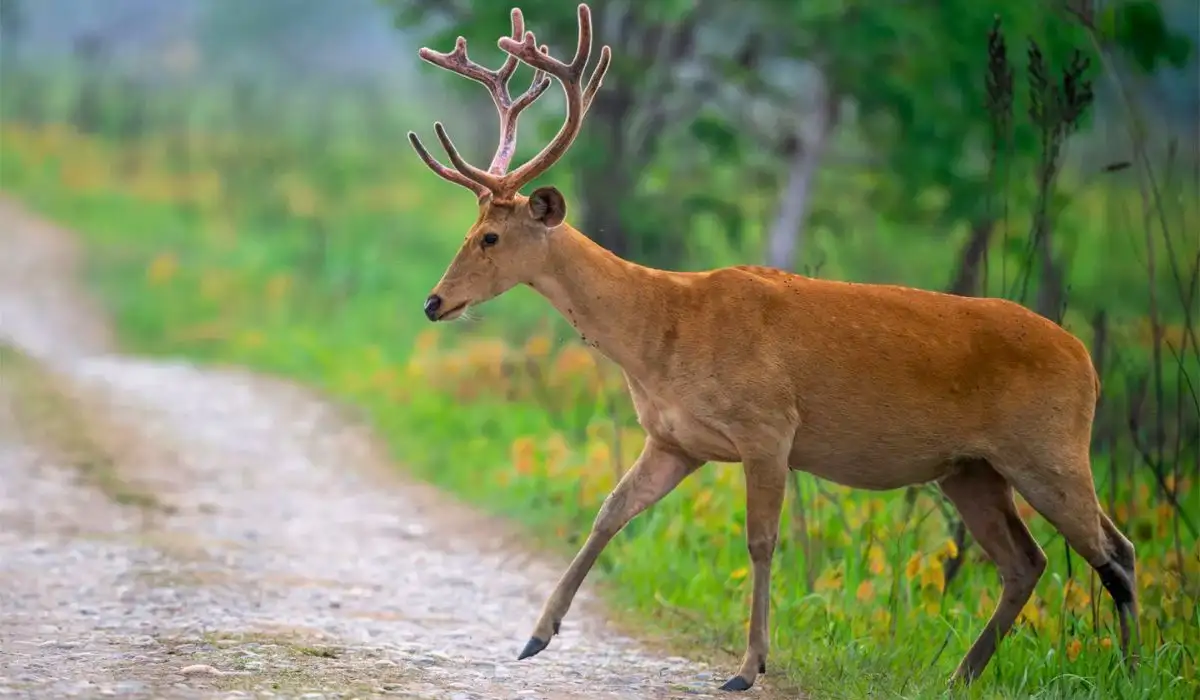
50+ mammal species · 315+ bird species · Critically rare Gharial and Barasingha. Rajaji Tiger Reserve sits at the north-western distribution limit of both the Bengal tiger and the Asian elephant in India - making its biodiversity ecologically irreplaceable.
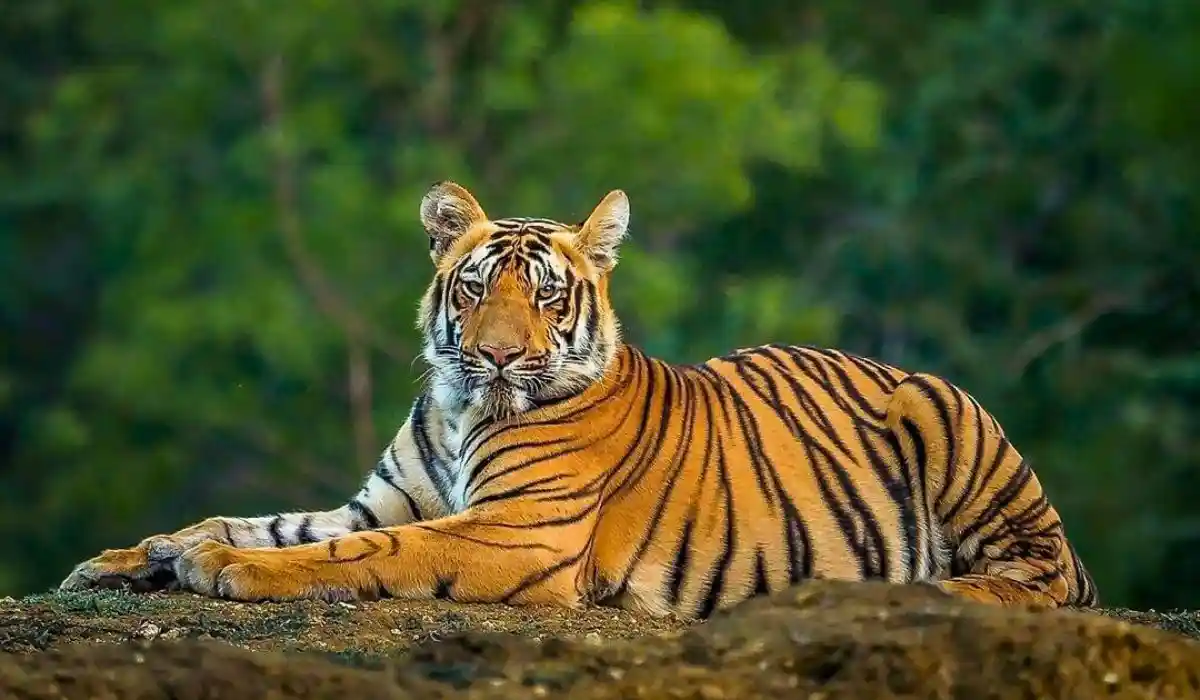
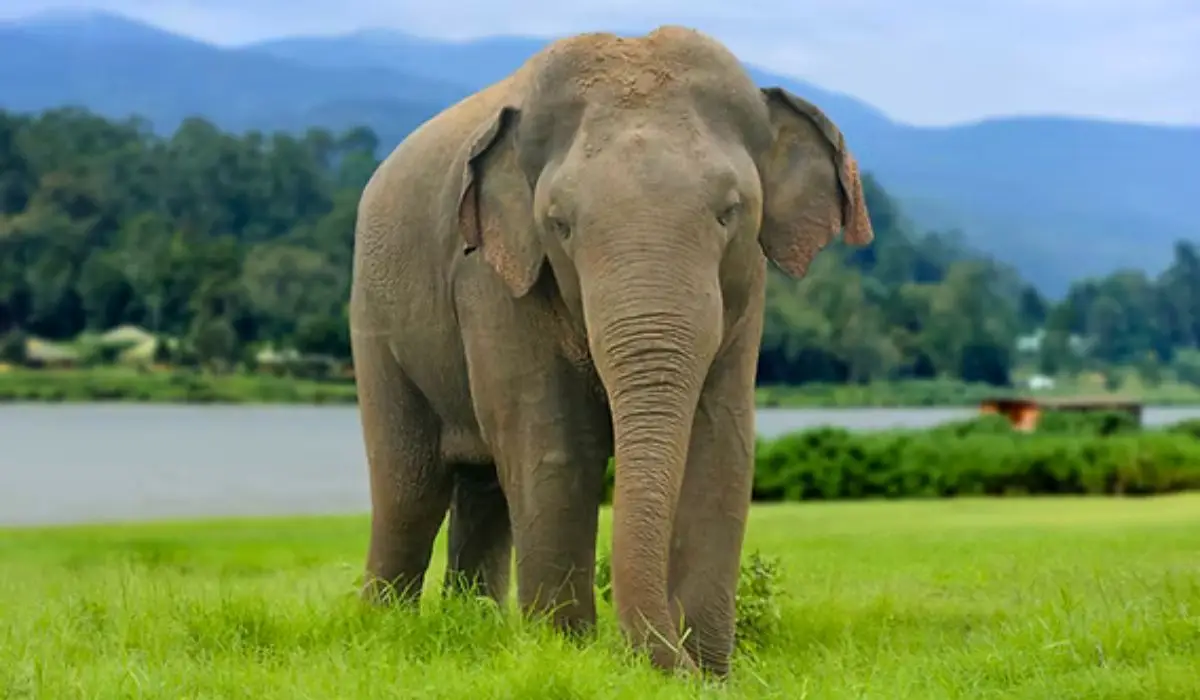
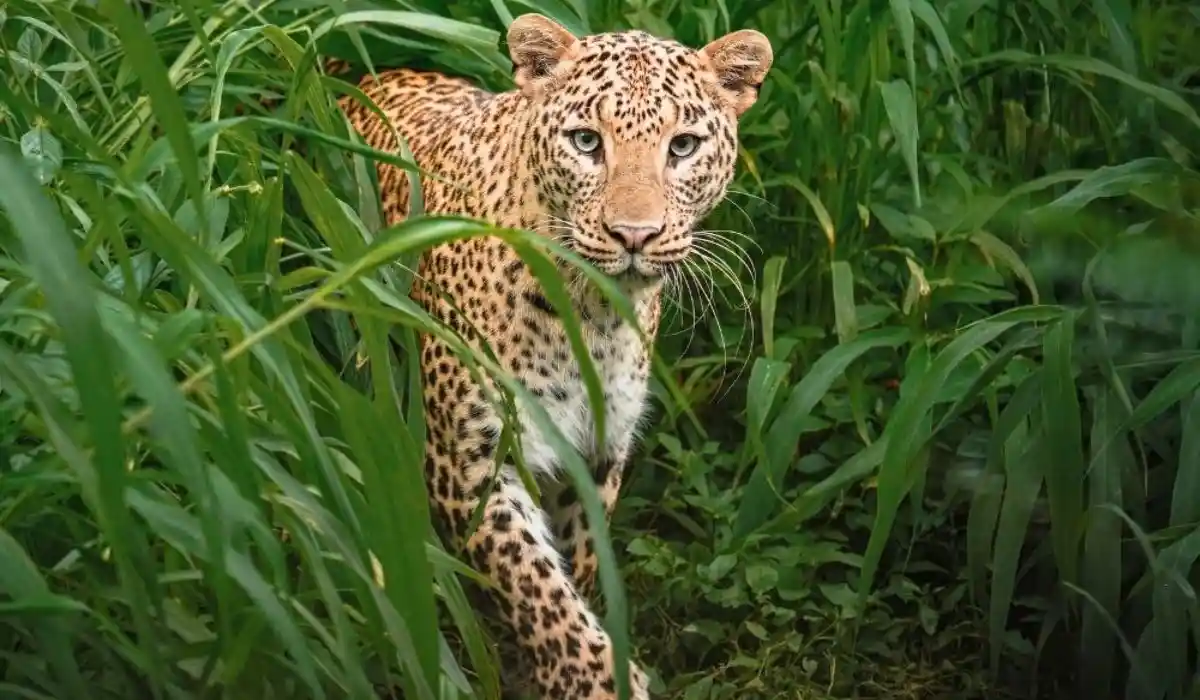
The Big Three - Rajaji's Wildlife Icons
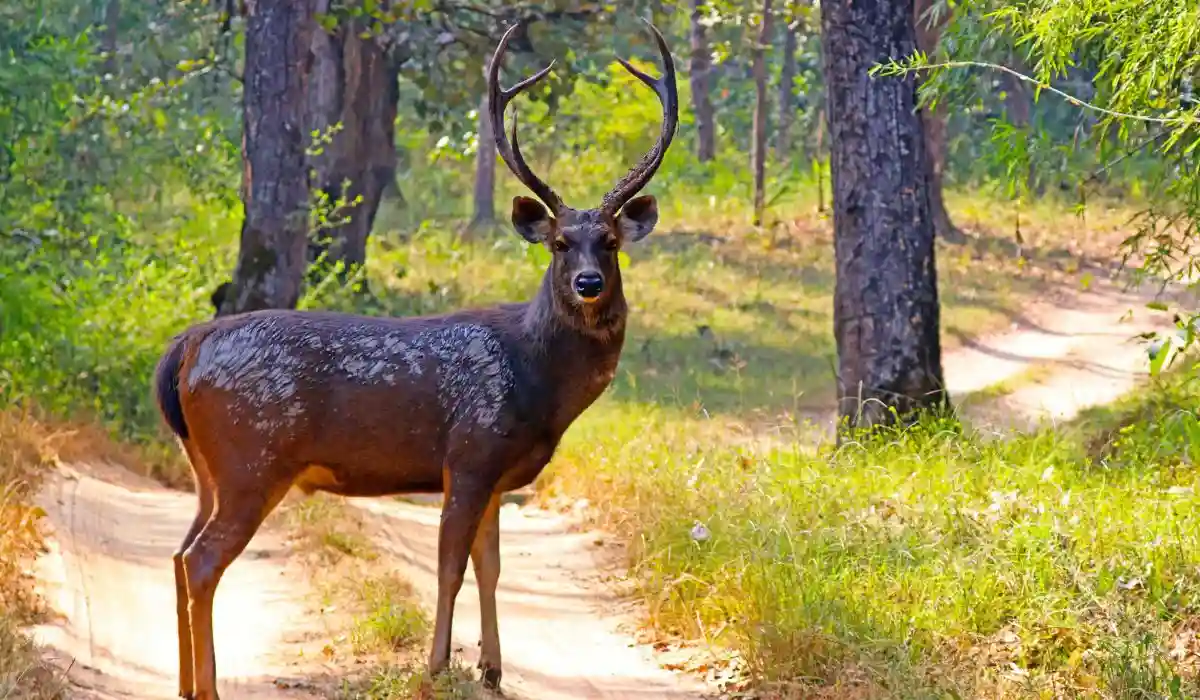
Rajaji is the north-western distribution limit for both the Bengal tiger and Asian elephant in India - an ecological distinction no other park holds. These three animals define Rajaji's global wildlife significance.
315+ Bird Species - North India's Premier Birding Reserve
Rajaji National Park is one of the most significant birding sites in North India. Its diverse terrain - from the Ganga wetlands (300 m elevation) to the Shivalik ridges (1,400 m) - creates multiple habitat zones, each attracting different bird communities.
- Jhilmil Jheel - 87 migratory waterfowl species · Nov-Feb peak
- Mohand Range - Great Pied Hornbill · Forest canopy species
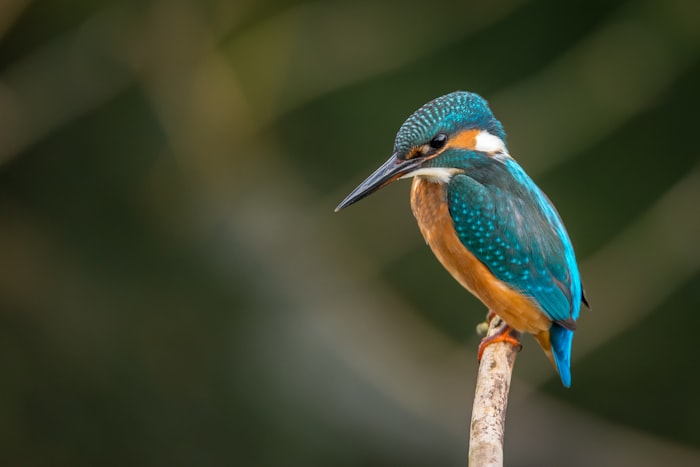
- Motichur Zone - Kingfishers · Rollers · Forest interior birds
- Chilla Ganga banks - Fish eagles · Cormorants · Herons
India's largest hornbill - unmistakable yellow-and-black bill casque. Spectacular in flight. Best seen in Mohand Range and Motichur. Nests in large tree cavities.
Spectacular raptor hunting Mahseer fish in the Ganga shallows. Most active at sunrise near Chilla canal road. Arrives November from Central Asia - leaves by March.
Bold black-and-white crest. Call is a piercing "kwee-kwee." Expert snake hunter found in forest interior. Frequently seen perched on open branches near Chilla and Motichur.
Distinctive hovering flight before plunging for fish. Extremely active along the Ganga canal road at sunrise. One of the most photographed birds in Chilla Zone.
India's national bird. Males display spectacular iridescent plumage in spring (March-April). Heard more often than seen - loud wailing call echoes through the forest.
87 migratory species arrive at Jhilmil Jheel from Siberia and Central Asia - Pochards, Teals, Mallards, Shellducks, herons, plovers, and waders. November is peak arrival month.
Wild ancestor of domestic chickens. Brilliantly coloured males crow at dawn. Common in undergrowth across all zones - alert, fast, and surprisingly difficult to photograph well.
Large owl with distinctive mottled brown plumage. Calls with an eerie "chooowee" in the forest at dusk. Occasionally roosting owls are spotted during morning safaris.
 🐊
🐊
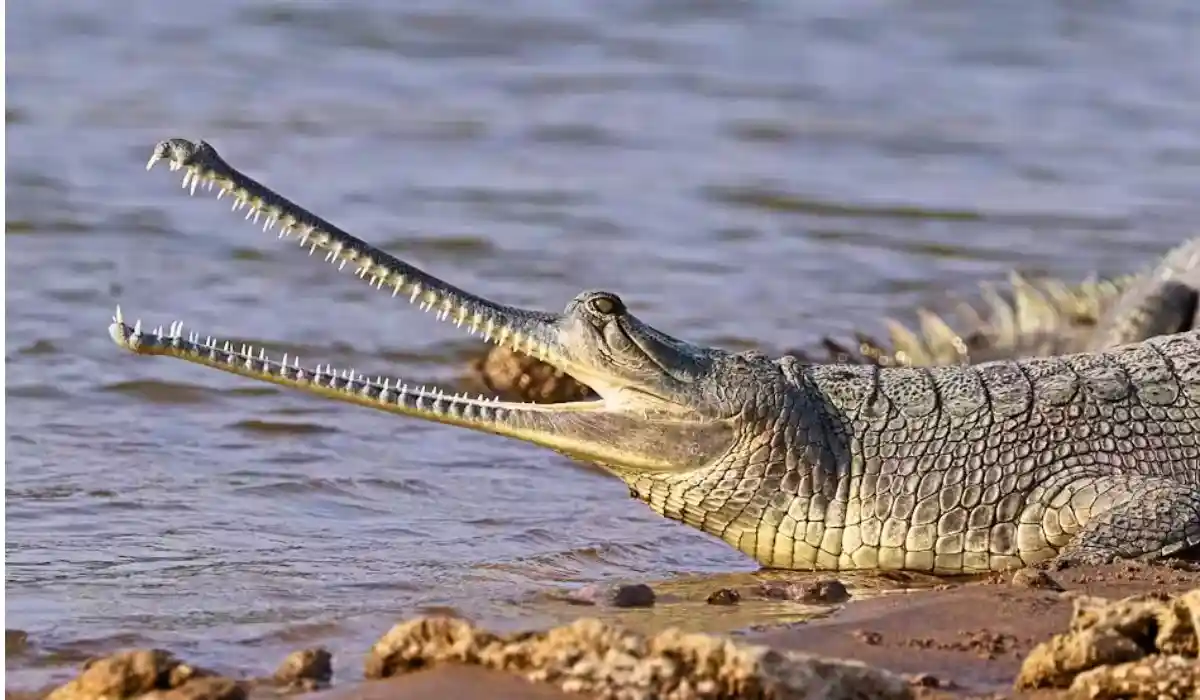
The most endangered large reptile in Rajaji. A fish-eating crocodilian with a distinctive long, narrow snout adapted for catching fish. Males develop a ghara (pot-like growth) on the snout tip. Rajaji's Ganga sandbanks near Chilla Gate are among the best places to see this critically rare species basking in winter sun. Best months: November-February.
One of Asia's largest snakes - adults reach 3-5 metres. Found near water sources in all zones. Non-venomous constrictor that preys on deer fawns and rodents. Occasionally seen sunbathing near water in early morning. Remarkable but harmless if given space.
World's longest venomous snake - up to 5.5 metres. Found in dense forest, especially near bamboo clumps and water. Sightings are rare and a genuine privilege. The King Cobra is a specialist predator of other snakes. Give a wide berth if encountered.
India's most common large lizard - up to 2 metres. Frequently seen near water sources and forest edges in all safari zones. Often mistaken for a small crocodile near the Ganga. Excellent swimmer and tree climber.
Large freshwater turtle found in the Ganga and its tributaries within the park. Critically endangered due to hunting and habitat loss. Seen basking on exposed sandbanks near the Ganga in Chilla Zone. A very rare and important sighting.
Broad-snouted freshwater crocodilian found in the Ganga and Rawasan rivers within Rajaji. Unlike the fish-eating Gharial, the Mugger is a generalist predator. Seen basking on sandbanks near Chilla Zone, particularly in winter mornings.
Zone-Wise Wildlife Guide
Different zones offer dramatically different wildlife experiences. Use this guide to pick the right zone for the animals you most want to see.
- ★★★★★ Bengal Tiger - highest probability
- ★★★★★ Asian Elephant - near daily
- ★★★★ Gharial - Ganga sandbanks
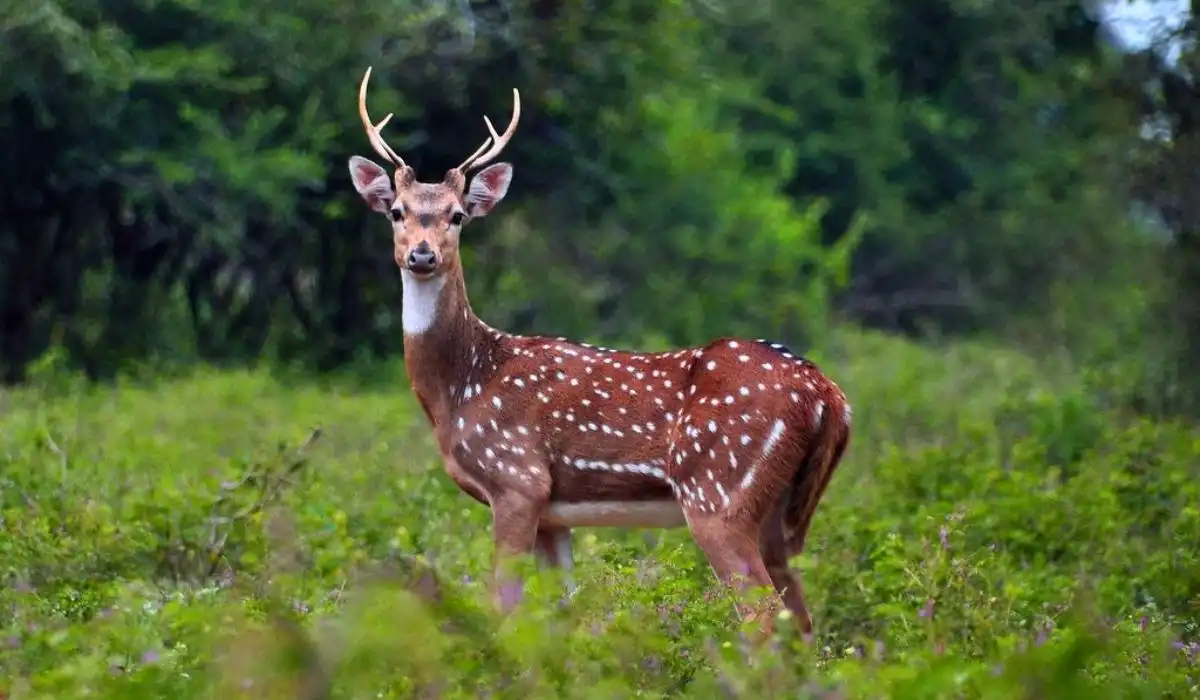
- ★★★★ Spotted Deer & Sambar
- ★★★ Indian Leopard
- ★★★ Pallas's Fish Eagle
- ★★ Mugger Crocodile
- ★★★★★ Indian Leopard - excellent
- ★★★★★ Bird species - 200+ recorded
- ★★★★ Asian Elephant - regular
- ★★★★ Great Pied Hornbill
- ★★★ Bengal Tiger - occasional
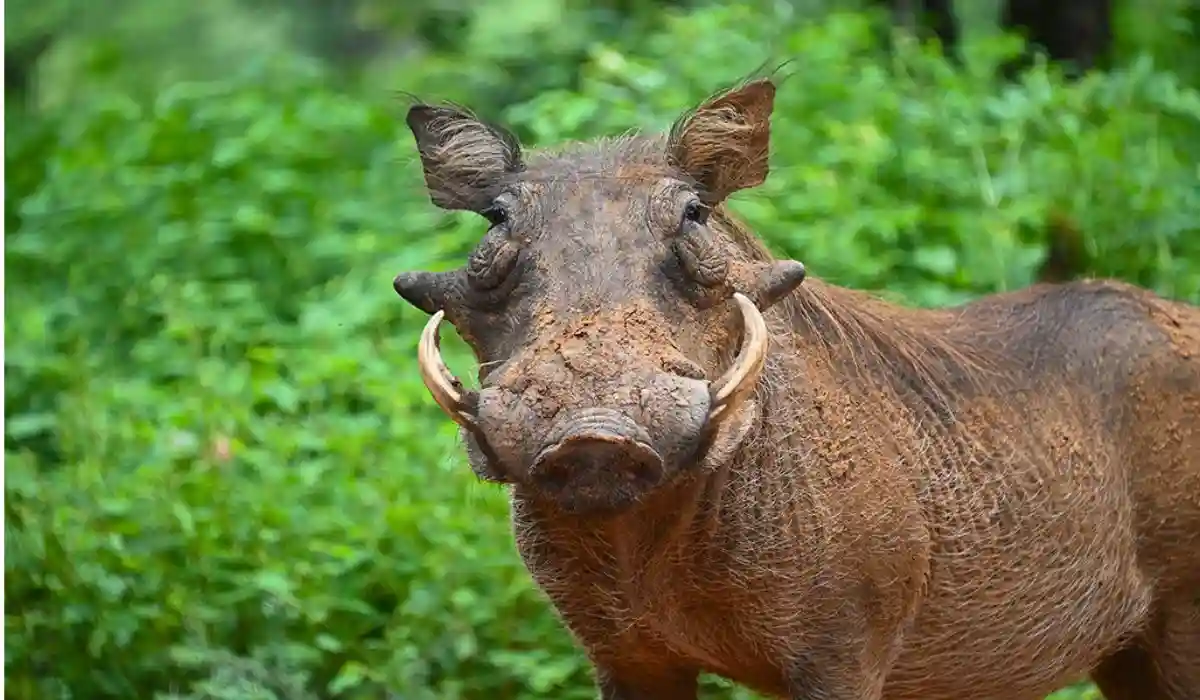
- ★★★ Wild Boar & Sambar
- ★★★★★ Barasingha - only habitat in UK
- ★★★★★ Migratory waterfowl - Nov-Feb
- ★★★★ Pallas's Fish Eagle
- ★★★★ Black-necked Stork
- ★★ Bengal Tiger - rare
- ★★★ Otters - Jhilmil stream
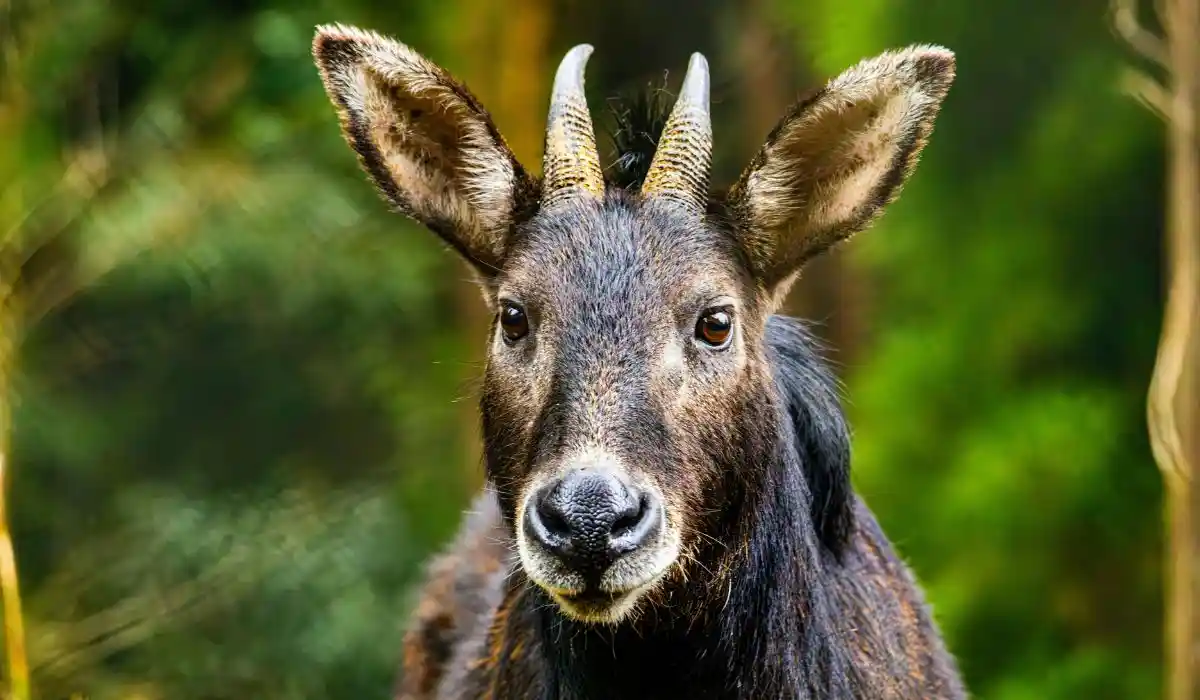
- ★★★★★ Himalayan Goral - rocky ridges
- ★★★★ Indian Leopard - outcrops
- ★★★ Sambar & Barking Deer
- ★★★ Various raptors
- ★★ Bengal Tiger - occasional
- ★ Very quiet - few visitors
- ★★★★★ Great Pied Hornbill
- ★★★★ Forest raptors & eagles
- ★★★★ Himalayan Goral
- ★★★ Asian Elephant - regular
- ★★★ Khaleej Pheasant
- ★★ Dehradun side - less crowded
- - Tiger: May-June (waterhole)
- - Elephant: Year-round
- - Leopard: Jan-April
- - Barasingha: Nov-Feb
- - Migratory birds: Nov-Feb
- - Gharial basking: Nov-Mar
Forests of Rajaji - 110+ Tree Species
Rajaji's terrain spans 300 m to 1,400 m elevation, creating five distinct vegetation zones. Each zone supports different wildlife communities and defines the safari experience.
Shorea robusta - tall, straight-trunked trees forming the dominant forest type. Dense canopy with filtered light. Primary tiger and leopard territory. Sal forests cover 60% of Rajaji's area. Magnificent in the golden morning light of a Chilla safari.
Elephants · Tigers · LeopardsUttarakhand's only conservation reserve wetland. Riverine marsh with tall grasslands, ox-bow lakes, and seasonal pools. Critical habitat for the Barasingha (Swamp Deer) and 87 migratory bird species. Unique ecosystem unlike anything else in the park.
Barasingha · Migratory BirdsWide, flat grasslands along the Ganga riverfront. Feeding grounds for elephant herds, spotted deer, and sambar. Hunting grounds for tigers and leopards. Exposed sandbanks host Gharial and Mugger crocodiles. The most iconic landscape in Rajaji.
Elephants · Tiger · GharialHigher elevation slopes (900-1,400 m) support chir pine (Pinus roxburghii) mixed with oak and rhododendron. Cooler, rockier habitat. Domain of the Himalayan Goral. Excellent for raptors and hornbills. Dramatic rocky ridgelines visible from Ranipur and Mohand zones.
Goral · Hornbill · RaptorsWildlife Sighting Expert Tips
Wildlife FAQ
See Rajaji's Wildlife In Person
Book your safari with our expert naturalist guides - they know where every animal hides, drinks, and hunts.
Available 7 AM - 9 PM · View Packages → · Check Prices →